Skip to content
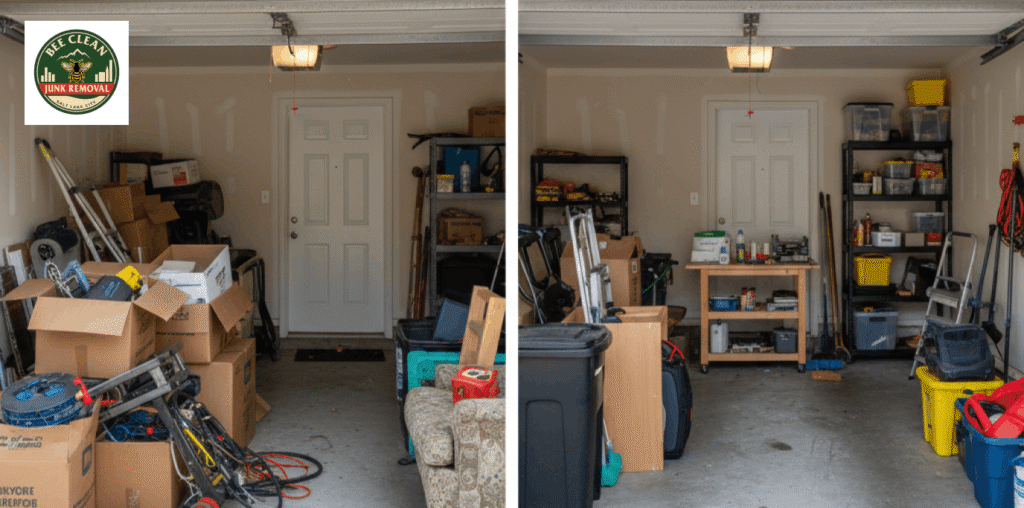
Junk removal improves home safety by eliminating physical hazards, fire risks, and biological threats that thrive in cluttered environments. By clearing blocked pathways and removing combustible materials, residents significantly lower the chance of accidental injuries and improve the efficiency of emergency responses. This process also addresses hidden health dangers like mold growth and pest infestations that often hide within piles of unused items.
Maintaining a clean living space is about more than just appearance. It serves as a preventative measure against common household accidents. This guide outlines the specific ways that removing excess belongings protects residents and ensures a more secure living environment. Bee Clean Junk Removal applies professional logistics and safety standards to help property owners identify and mitigate these often-overlooked household dangers.
Fire Risk Reduction and Emergency Preparedness
Accumulated clutter acts as a primary fuel source during a residential fire. Piles of old newspapers, cardboard boxes, and unused clothing allow flames to spread faster than they would in a tidy room. A report from the National Fire Protection Association highlights that high fuel loads in homes can lead to more intense fires that are harder for firefighters to control. When junk fills a room, it creates a “heavy fire load,” which increases the temperature and speed of a blaze.
Emergency exits represent another major safety concern related to junk. In a crisis, every second matters. Items stored in hallways, near doors, or in front of windows can trap residents inside. If smoke obscures vision, a stray box or an old piece of furniture becomes a dangerous obstacle. Clearing these paths ensures that residents can exit quickly and that emergency personnel can enter without delay.
- Bonus Tip: Ensure a three-foot clearance around furnaces, water heaters, and electrical panels. These areas are prone to heat generation, and nearby junk can easily ignite.
Physical Injury Prevention and Structural Safety
Falls are a leading cause of non-fatal injuries in residential settings. According to data from the National Safety Council, falls at home result in millions of emergency room visits each year. Junk on the floor, particularly in high-traffic areas like stairs or corridors, creates constant tripping hazards. This risk is especially high for elderly residents or small children who may have less stability.
Beyond tripping, the sheer weight of accumulated junk can compromise the structural integrity of a home. Stacking heavy items in attics or on upper floors puts unnecessary stress on floor joists. Over time, this weight can lead to sagging or even structural failure. Additionally, unstable stacks of boxes or furniture pose a “tip-over” risk, where items may fall and cause crushing injuries.
| Hazard Category | Specific Risks | Safety Benefit of Removal |
|---|---|---|
| Accumulated Paper and Cardboard | Rapid fire spread and high fuel load | Decreases the speed of fire growth |
| Blocked Hallways and Doors | Delayed emergency exit and entrapment | Provides clear paths for escape and rescue |
| Unstable Stacks of Items | Tipping or crushing injuries | Eliminates falling object hazards |
| Floor Debris and Cords | Trip and fall incidents | Reduces the risk of bone fractures and head injuries |
| Overloaded Upper Floors | Structural strain or ceiling collapse | Maintains the integrity of the building frame |
Health Hazards and Environmental Protection
Junk often hides biological threats that can lead to long-term health issues. Piles of old fabric, wood, or paper provide ideal nesting grounds for rodents and insects. The Centers for Disease Control and Prevention explains that pests like rats and mice carry diseases and can trigger severe allergic reactions or asthma attacks through their droppings and dander. Once these pests settle into a pile of junk, they often move into the walls and kitchen areas of the home.
Air quality also suffers when junk accumulates. Dust mites and mold thrive in dark, undisturbed areas. Old furniture removal or damp boxes stored in basements can grow mold, releasing spores into the air that residents breathe daily. Removing these items allows for better airflow and easier cleaning, which significantly reduces the presence of allergens.
- Bonus Tip: When removing old electronics or appliances, check for leaking batteries or corroded components. These contain hazardous chemicals that can contaminate your home if not handled properly.
Factors to Evaluate Before Removing Household Debris
Before starting the removal process, residents should assess the environment to ensure the work happens safely. Not all junk is the same, and some items require specific handling protocols.
- Item Weight and Volume: Determine if the items are too heavy for one person to lift. Attempting to move bulky furniture without proper equipment can lead to back injuries or dropped loads.
- Presence of Hazardous Materials: Identify items like old paint cans, cleaning chemicals, pesticides, or fluorescent bulbs. These cannot go into a standard trash bin and need careful transport to avoid spills.
- Accessibility of the Junk: Evaluate where the items are located. Removing junk from a steep basement staircase or a cramped attic requires more planning than clearing out a garage.
- Structural Stability: If the junk has been sitting for a long time, check if the floor beneath it is stable. Moisture trapped under piles can rot floorboards, making the area dangerous to walk on.
- Pest Presence: Look for signs of infestation before disturbing a pile. Wearing gloves and a mask is often necessary if there are signs of rodent droppings or mold. Understanding these environmental factors is the first step toward a safer home. To address more specific scenarios, consider the following answers to frequent safety inquiries.
Answers to Frequent Home Safety Concerns
Does junk removal help with electrical safety? Yes. Junk often hides wall outlets and prevents residents from noticing scorched plugs or frayed wires. Clearing the area around outlets prevents flammable materials from touching hot electrical components and allows for regular inspections.
How does junk affect home security? Large piles of debris or “overflow” junk visible from the outside can signal that a home is poorly maintained or unoccupied. This can attract unwanted attention. Inside, junk can block the view from windows, preventing residents from seeing who is at their door.
Is it safe to move junk that has been in a damp basement? It requires caution. Damp items often harbor mold. If you see black or green spots or smell a musty odor, use respiratory protection. Mold spores become airborne when items are moved, potentially causing respiratory distress.
Common Questions About Junk Removal and Safety
How can I tell if a pile of junk is a fire hazard?
Any pile containing paper, cardboard, plastics, or textiles is a fire hazard. If these items are near an ignition source like a heater, outlet, or stove, the risk is immediate. Even away from heat, large volumes of these materials increase the “fire load” of your home.
Why is it dangerous to leave old appliances in the garage?
Old appliances, especially refrigerators or chest freezers, can be death traps for children if they climb inside and become locked. Additionally, they contain refrigerants and oils that can leak and create slippery floors or toxic fumes.
Does removing junk improve the air quality for people with allergies?
Removing junk eliminates the primary locations where dust, pet dander, and mold accumulate. Without these “dust collectors,” air filters work more efficiently, and the overall concentration of airborne irritants drops.
Can junk removal prevent structural damage to my home?
Yes. By removing heavy, unnecessary weight from upper floors and clearing debris that traps moisture against walls or floors, you prevent wood rot and structural sagging. Bee Clean Junk Removal often sees how heavy loads can cause visible ceiling cracks in the rooms below.
Summary of Safety Benefits
Effective junk removal is a fundamental aspect of home maintenance that directly impacts the well-being of every occupant. By addressing the three main categories of risk: fire, physical injury, and health hazards, residents create a more resilient living space. A clear home allows for faster movement during emergencies and reduces the daily risk of trips and falls. It also eliminates the hidden environments where pests and mold thrive, leading to a cleaner and more breathable atmosphere.
Property owners should regularly audit their storage areas to identify items that no longer serve a purpose. Evaluating the volume and nature of the debris helps in deciding whether to handle the cleanup personally or to seek professional assistance. Ultimately, the goal is to maintain a residence where safety is not compromised by the accumulation of unnecessary objects.
Securing Your Living Environment
Safety is the most important reason to clear out unwanted items from a property. If the task seems too large or involves heavy, dangerous objects, professional help is available. Bee Clean Junk Removal provides experienced assistance in clearing out residential spaces to ensure they meet safety standards. To discuss specific needs or to schedule a cleanup, contact the office at (801) 999-0291 or send an email to beecleanjunkremovalslc@gmail.com.
Sources
- National Fire Protection Association – A leading authority on fire, electrical, and building safety providing data on fire hazards and prevention.
- National Safety Council – An organization focused on eliminating the leading causes of preventable death and injury through leadership and research.
- Centers for Disease Control and Prevention – The national public health agency of the United States, offering guidance on health risks associated with pests and mold.