Skip to content
The most effective junk trash removal options depend on the volume of debris, the type of materials, and the available budget. For immediate results and minimal physical labor, full-service junk removal is the top choice because professionals handle all lifting, loading, and disposal. For ongoing projects like home renovations or major cleanouts, renting a roll-off dumpster provides a flexible timeline for loading waste at a lower price point than full-service options.
Other viable paths include utilizing municipal bulk pickup services, visiting local landfills, or coordinating with donation centers for items that still hold value. This guide provides a detailed look at each method to help determine which disposal strategy fits a specific situation. Bee Clean Junk Removal maintains high standards for sorting and disposal to ensure items reach the correct destination.
Full-Service Junk Removal
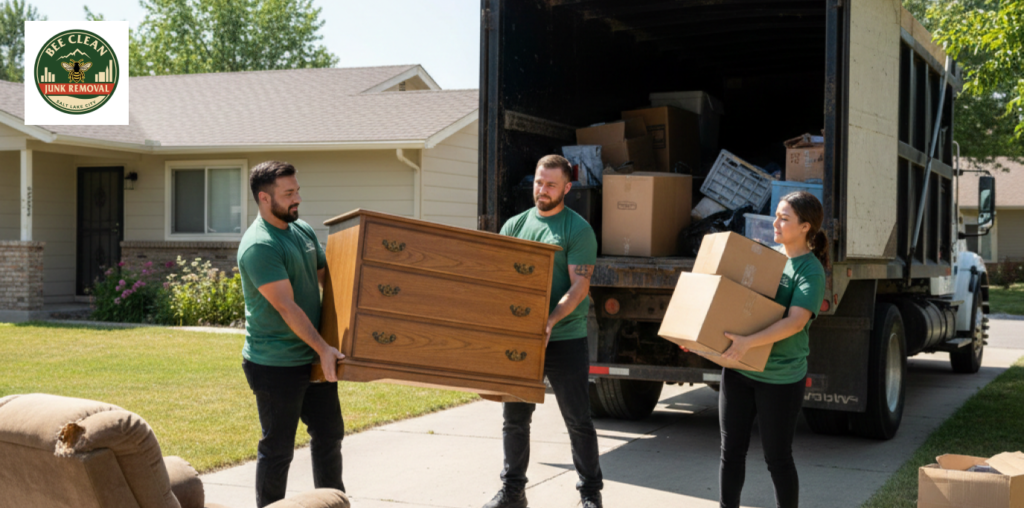
Full-service junk removal involves hiring a team to enter a property, carry items out, and haul them away. This option works best for people who have heavy items like appliances or hot tubs that require multiple people and specialized equipment to move safely. According to the Global Waste Management Market Report from Future Market Insights, the global waste management market is projected to grow significantly in the coming years as urbanization and environmental concerns increase demand for organized waste services.
Professional crews typically charge based on the volume of the truck filled. This price usually includes labor, fuel, and disposal fees. It eliminates the need for the property owner to lift heavy objects or risk damaging their vehicle.
Bonus Tip: Group items together in a central location like a garage or driveway. While professionals can pick up items from anywhere on the property, having them staged in one spot can sometimes lead to quicker service and more accurate volume estimates.
Roll-Off Dumpster Rentals
Renting a dumpster is a practical solution for DIY projects that span several days or weeks. A rental company drops a large metal container at the property and picks it up once it is full or the project ends. This method allows for a steady pace of cleaning without the pressure of a scheduled pickup window.
Dumpsters come in various sizes, usually measured in cubic yards. Common sizes include 10, 20, 30, and 40-yard containers. This option is generally more cost-effective for massive amounts of heavy debris, such as roofing shingles or concrete, which would be prohibitively expensive for a volume-based junk removal service.
Comparison of Primary Removal Methods
| Feature | Full-Service Removal | Dumpster Rental | Municipal Pickup |
|---|---|---|---|
| Labor Provided | Professional team | None | None |
| Loading Time | Hours | Days or Weeks | Scheduled Day |
| Best For | Furniture, Appliances | Renovations, Construction | Small Household Items |
| Cost Structure | By Volume | Flat Rate plus Weight | Free or Low Fee |
| Item Restrictions | Few | Hazardous Materials | Strict Size/Weight Limits |
Municipal Waste and Bulk Pickup
Many cities offer bulk trash collection as part of their regular utility services. Residents can often schedule one or two free pickups per year for items that do not fit in a standard trash bin. According to the Environmental Protection Agency, municipal solid waste management is a foundational part of urban infrastructure, though specific rules vary significantly by zip code.
While municipal pickup is inexpensive, it often comes with strict regulations. Most cities will not take electronics, tires, or hazardous liquids. Additionally, items must typically be placed at the curb, meaning the resident must still perform the heavy lifting from inside the home.
Recycling Centers and Specialized Facilities
Directly transporting items to a recycling center is the most environmentally friendly way to handle scrap metal, electronics, and certain plastics. Many local governments operate drop-off locations for “E-waste,” which includes computers, televisions, and cell phones. These items contain heavy metals that should not enter landfills.
For those with a truck and the physical ability to unload, driving to a local landfill or transfer station is often the cheapest way to get rid of large quantities of trash. Transfer stations charge a “tipping fee” based on the weight of the load. This is a common choice for people cleaning out rentals or moving houses on a tight budget.
Donation and Reusable Item Pickups
If items are in good condition, donation is a high-value alternative to disposal. Organizations like Goodwill or Habitat for Humanity often accept furniture, clothing, and working appliances. Some non-profit groups even offer free pickups for large donations, though wait times can be several weeks.
Choosing to donate keeps usable goods out of the waste stream and provides a tax deduction for the donor. It is important to verify that the items meet the quality standards of the organization, as leaving broken or soiled items at a donation center is often considered illegal dumping.
Bonus Tip: Take clear photos of furniture before calling a donation center. Many organizations now ask for photos via email or text to ensure the item is in a condition they can actually sell or distribute.
Things to Consider Before Making a Decision
Before selecting a disposal method, evaluate the specific needs of your project. Choosing an inappropriate service can lead to unexpected costs or physical injury.
- Volume and Weight: Small loads might fit in a personal vehicle, but a house cleanout requires a larger solution.
- Physical Capability: Consider whether you can safely move heavy items to the curb or into a dumpster.
- Type of Material: Check for hazardous materials like paint, chemicals, or batteries, as these require specialized disposal.
- Local Regulations: Some areas have strict laws regarding where items can be placed and what can be thrown in a dumpster.
- Timeline: If the house must be empty by tomorrow, full-service removal is the only realistic option.
Common Questions About Junk Removal
A common concern involves the disposal of hazardous materials. Most standard junk removal services and dumpster rentals cannot accept chemicals, gasoline, or wet paint. These items must go to a household hazardous waste facility. Information provided by the National Waste & Recycling Association highlights that improper disposal of these materials can lead to environmental contamination and fines.
Another frequent question is whether junk removal services recycle. Most reputable companies sort through the items they collect to separate metals, plastics, and wood. This ensures that as little as possible ends up in a landfill. Bee Clean Junk Removal prioritizes responsible disposal by identifying items that can be diverted to recycling or donation centers.
Frequently Asked Questions
Can I put old tires in a rented dumpster?
Most dumpster rental companies do not allow tires because landfills charge extra for them or ban them entirely. Tires trap methane gas and can float to the surface of a landfill, damaging the liner. It is better to take tires to a dedicated tire retailer or a local recycling event.
What is the cheapest way to get rid of an old couch?
The most cost-effective method is usually municipal bulk pickup if the city offers it. If that is not available, listing the item for free on an online marketplace can often result in someone else hauling it away for you.
How do junk removal companies calculate their prices?
Prices are typically based on the amount of space items take up in the truck. A quarter truck, half truck, and full truck are the standard tiers. Some items, like heavy construction debris or tires, may incur additional surcharges due to weight or specialized recycling needs.
Is it better to rent a dumpster or hire a junk removal service for a garage cleanout?
If the junk is already piled up and ready to go, a junk removal service is faster. If you plan to sort through boxes over a weekend and decide what to keep as you go, a dumpster rental is better because it provides a place to toss items as you find them.
What happens to the junk after it is picked up?
After pickup, the load is usually taken to a transfer station. There, workers or machines sort the materials. Recyclables go to processing plants, donations go to charities, and the remaining trash goes to a licensed landfill.
Evaluating Your Disposal Needs
Selecting the right trash removal option requires balancing speed, cost, and effort. Full-service options provide the highest level of convenience for those who want the job done without physical exertion. Dumpster rentals offer the best middle ground for DIY enthusiasts working on larger projects. For small, budget-conscious tasks, municipal services and local recycling centers remain excellent resources. Evaluate the volume of the debris and the physical requirements of the job before committing to a specific method.
Assistance With Your Next Project
Professional support can simplify the process of clearing out unwanted items. Bee Clean Junk Removal offers efficient solutions for those needing to reclaim their space. For detailed information on service options or to coordinate a pickup, reach out to beecleanjunkremovalslc@gmail.com or call (801) 999-0291. Taking the first step toward a clutter-free environment starts with identifying the most effective disposal method for your specific situation.
Sources
- Global Waste Management Market Report – A market analysis firm providing data on the growth and trends of the global waste management industry.
- Environmental Protection Agency – The federal agency responsible for tracking waste generation and recycling statistics in the United States.
- National Waste & Recycling Association – A trade association representing the private sector waste and recycling industry.